Premature Ejaculation



OverviewPremature Ejaculation overview
What defines premature ejaculation is really down to the individual. While there is no defined time for how long sexual intercourse should last, premature ejaculation is linked to what a man views as satisfactory, or unsatisfactory, when it comes to the length of intercourse.
Premature ejaculation can have serious effects on your mood, confidence and relationships. So if you are struggling with premature ejaculation, you may want to consider the practical tips and treatment options we outline here.
At Online Mens Clinic we offer a range of premature ejaculation treatments including sprays, creams and tablets.
Simply complete the fast and secure online consultation. This will be checked and confirmed by one of our doctors. We will then send the medication quickly and securely, in discrete packaging.
If you decide to use premature ejaculation treatments, you should read the patient information leaflets, which are available at medicines.org.uk. You can also find out more about premature ejaculation and its treatments at the NHS website.
What Is Premature Ejaculation?
Premature Ejaculation means a man ejaculates quickly during sexual intercourse with a partner.
A study conducted across 500 couples found the average length of sexual intercourse until ejaculation was around five minutes.
Generally, if someone ejaculates consistently in less than a minute, they are recognised as suffering from premature ejaculation.
Of course, this sample group is small, and it's really up to the couple to decide what is a satisfactory length of intercourse before a man ejaculates.
Premature ejaculation is also known as a premature climax, early ejaculation, or rapid ejaculation.
What Causes Premature Ejaculation?
Premature ejaculation is very common, with most men experiencing it at some point.
There are many factors that can cause PE. These include:
- Hypersensitivity
- Performance anxiety
- Strain or friction caused by certain sexual positions.
The causes of premature ejaculation are very varied, which can make diagnosing it difficult. This is especially true as what is classed as premature ejaculation can be subjective.
However, doctors now know that premature ejaculation involves both psychological and biological factors, and can be broken down into two categories: acquired and chronic premature ejaculation.
Acquired or an acute display of premature ejaculation means that it has developed over time or has happened sporadically during a man's sex life with his partner.
Acquired PE can be a symptom of other health conditions, including diabetes and high blood pressure.
It can also be caused by psychological factors such as anxiety and depression.
Drinking too much can also lead to acquired premature ejaculation.
One of the most common causes of acute/acquired PE is being overly excited or anxious about sexual performance.
This type of PE is more common in younger men, generally under 35. It also affects most people who are starting new relationships/experiences.
As the name suggests, chronic premature ejaculation is a lifelong condition that is present from the age of puberty.
Studies have suggested that the underlying causes for this could be:
- Psychological
- Cultural practices
- Stigma around sex
- Childhood sexual trauma.
Symptoms of Premature Ejaculation
The main symptom of PE is ejaculating too quickly, within one minute of intercourse.
PE is not only associated with sexual intercourse however. Sufferers may also find it difficult to delay ejaculating in other sexual situations, including masturbation.
How to Stop Premature Ejaculation
There are a number of techniques that aim to stop premature ejaculation.
These include:
- Self-help techniques with no medical input
- Therapy with a trained professional
- Medication
Self Help Techniques
Use a thicker condom
Using a condom during sex has been shown to delay ejaculation for men.
A thicker condom is advised as it decreases the sensitivity of the penis.
Over-the-counter 'delay' condoms are also available from leading condom providers. These often include a numbing gel which helps to delay ejaculation.
Masturbating before intercourse
Masturbating before you engage in sexual intercourse is another popular technique.
Masturbating around 1 or 2 hours before intercourse, can result in a delayed ejaculation when it comes to intercourse.
Stop-start technique
Often referred to as 'edging', the stop-start technique involves engaging in intercourse until such time that you feel you are about to ejaculate.
At this point, you should stop until the feeling passes. This can be repeated multiple times.
Partner on top technique
Similar to the stop-start technique, this involves the woman, who is on top, stopping when her partner is close to ejaculation.
Being on top, she can easily pull away in this position.
Pause-squeeze technique
This is a variation of the stop-start technique. When you are close to climaxing, pull away and get your partner to squeeze the tip of your penis until such time that feelings of arousal lessened.
This can also be repeated multiple times.
Breathing techniques
During intercourse, try to slow your breathing. This will help to regulate your heart rate. This can help to slow down the ejaculatory reflex.
Psychological Help
Individual psychotherapy
We understand that engaging with a psychologist can be difficult. However, you should know that there is nothing wrong seeking help from a psychologist for PE, or any matter.
One-on-one psychology sessions can help with finding the root of any issue that might be the cause of PE.
PE can stem from traumatic experiences and dealing with these can help.
Couples therapy
Premature ejaculation can sometimes be caused by issues in a relationship.
Couples counselling or 'sex therapy' can help in this case.
Talking through issues with your partner with a trained professional meditating can help to isolate issues that can be worked on together.
Premature Ejaculation Medication
If you have tried these techniques and nothing seems to be working, premature ejaculation medication can help.
Pill based medication
Priligy is the most popular premature ejaculation pill. These contain the active ingredient dapoxetine.
Priligy tablets are an SSRI (Selective Serotonin Reuptake Inhibitors) medication. These reduce the uptake of serotonin in the brain.
Serotonin levels are linked to ejaculation and these medications have been found to delay ejaculation time by up to 300%.
Topical Creams
One of the most popular topical creams is Emla Cream 5%. This is an anesthetic-based numbing cream that contains the active ingredients lidocaine and prilocaine.
These creams work by numbing the tip of the penis. This has been shown to contribute towards delayed ejaculation time.
Desensitizing Sprays
Desensitizing sprays work in a similar way to topical creams. The spray, which numbs the penis, is applied before intercourse.
Products such as Stud 100 Desensitizing Spray contain the active ingredient lidocaine.


How it works
Achieve your goals in just a few simple steps
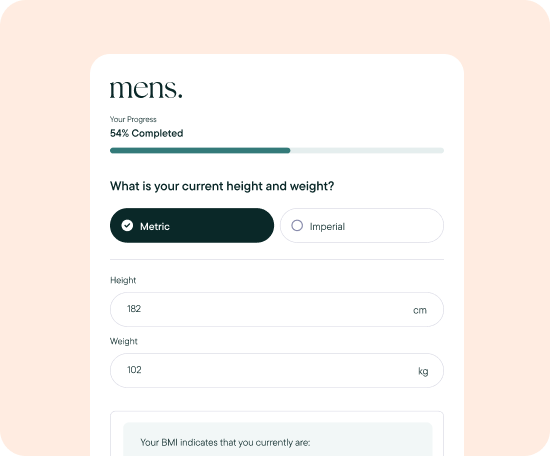
Step 1
Start Free Consultation
Take the first step with a free consultation by answering a few questions to help us tailor your care.

Step 2
Review By Our Clinical Team
Based on the information you provide, our expert clinicians will develop an appropriate recommendation.

Step 3
From Prescription to Doorstep
All prescriptions undergo careful review before discreet delivery to your door
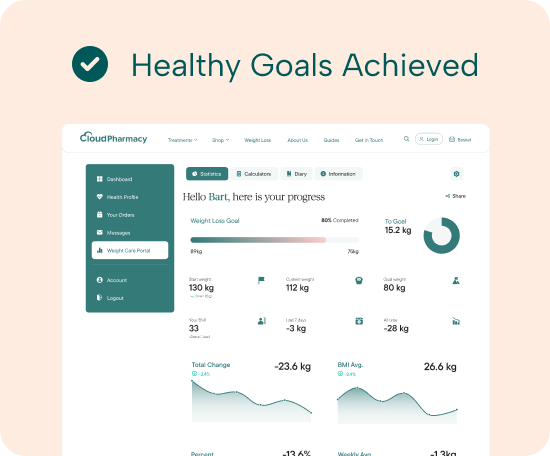
Step 4
Achieve your health goals
A personalised programme designed around you to deliver tangible, lasting outcomes