Gonorrhea



OverviewGonorrhea overview
Gonorrhoea is a sexually transmitted infection. While symptoms can include penile discharge, sometimes the infection is symptomless.
Gonorrhoea is treated using prescription antibiotics. If you have had a positive gonorrhoea test, but were unable to have the first-line injection, you can order gonorrhoea treatment online.
Simply complete our quick online consultation to have your request reviewed by our medical team.
If approved, your treatment will be sent in discrete, unmarked packaging.
What is Gonorrhoea?
Gonorrhea is a Sexually Transmitted Infection (STI), caused by the bacteria Neisseria gonorrhoeae or gonococcus.
Gonorrhea is sometimes known as "the clap".
The bacteria that causes gonorrhea is found mainly in discharge from the penis and inside vaginal fluid.
The infection can be passed on through vaginal, oral or anal sex and through sharing sex toys.
The gonorrhea bacteria can infect the urethra or the rectum. Although less common, it can also affect the throat or eyes.
How do I treat Gonorrhoea?
Antibiotics are a second line treatment for Gonorrhea.
The first line treatment is usually an injection, although tablets can be given to people who don't want to have an injection.
The antibiotics used to treat gonorrhea are Azithromycin and Suprax (Cefixime).
All antibiotic tablets are taken together as a SINGLE DOSE.
A typical treatment is 400mg Suprax tablets and 2000mg Azithromycin tablets, which ensures that gonorrhea is adequately treated.
This combination of antibiotics is 95% effective in completely clearing the infection.
Treatments
How is Gonorrhoea treated?
Gonorrhoea is treated by medical professionals via a short course of antibiotic medication. This is typically very proficient at tackling the infection, and often clears all signs of it in a matter of days.
The best treatment (sometimes called first-line treatment) in the UK for gonorrhoea comprises of two antibiotics. One is given as an injection, and the other as a tablet. This injection will need to be given by a trained health professional however, which means that you can’t buy it and inject the treatment yourself.
Another form of treatment consists of Azithromycin and Suprax, two oral antibiotics; although this method is not as effective at treating Gonorrhoea, so this is only recommended for use in cases where the injection is unsuitable or a patient is needle-phobic.
It is important to finish the course of medication prescribed for you, and to get tested again once you have completed treatment, to ensure that the infection has passed. Obviously, you should refrain from engaging in sex during this time.
How does treatment for Gonorrhoea work?
Antibiotics come in many different forms. They are generally indicated for the treatment of infections caused by bacteria. They work by breaking down the cells of infection-causing bacteria, and restoring balance in the body.
Until recently, doctors would tend to cure gonorrhoea with just one form of antibiotic drug. However, due to the emergence of resistant strains of the infection, many now prescribe a combination treatment involving two antibiotic agents to ensure that infection is sufficiently treated.
Causes
Gonorrhea is transmitted through sexual contact with the penis, vagina, mouth, or anus of an infected partner.
Ejaculation does not have to occur for gonorrhea to be transmitted or acquired.
It can also be spread from mother to baby during childbirth.
People who have had gonorrhea and have been treated can be reinfected. The treatment does not give long term protection.
Symptoms
Gonorrhoea doesn't always cause symptoms. In fact, 50% of female cases display no symptoms.
Even where it is symptomless, gonorrhoea can cause serious complications.
What symptoms can gonorrhoea cause in men?
Men with gonorrhoea may notice:
- pain or burning in the penis when going to the toilet
- white, yellow or green discharge from the end of the penis
- pain or tenderness in the testicles
- balanitis (pain or inflammation of the foreskin)
Which other parts of the body can gonorrhoea affect?
Gonorrhoea infection can also affect:
- the throat. This is usually symptomless.
- the rectum. This can cause pain or discharge.
- the eyes. This can cause the eyes to become red, inflamed and bloodshot. They may also leak pus.
Gonorrhoea in these areas can develop when infected sperm or vaginal fluid comes into contact with tissue in those areas (for example, if sperm comes into contact with tissue inside the anus during anal sex, or with the mouth and throat during oral sex).
The infection can also be passed on through shared sex toys.
How quickly will gonorrhoea symptoms develop?
In cases where symptoms develop, they usually appear around one to two weeks after infection.
However, symptoms can take much longer to appear.
Gonorrhoea can also be symptomless, so it's fairly common for people to carry the infection but not know.
Some people may have no symptoms at all before complications start to develop later on, after the infection has been present for some time.
The only definitive way to know if you have gonorrhoea is to get tested.
Will gonorrhoea symptoms go away on their own?
It's possible for gonorrhoea symptoms to go away without treatment.
However, this doesn't mean that the infection has gone and it could still be causing damage in the body.
Complications occur even if the infection is symptomless.
It is possible for the body to fight off the infection without treatment, but this is incredibly rare.
Treatment is required in order to tackle the infection.
Gonorrhoea has become resistant to many antibiotics. This means you should be re-tested following treatment to confirm the infection is gone.
How often is gonorrhoea symptomless?
Around 10 percent of male cases and 50 percent of female cases are thought to be symptomless.
If you suspect you may have come into contact with gonorrhoea, you will need to have a urine or swab test to know for sure.
The absence of symptoms is not enough to determine whether or not you have gonorrhoea.
If you have had sex with someone who has suspected gonorrhoea, you must get tested as soon as possible.


How it works
Achieve your goals in just a few simple steps

Step 1
Start Free Consultation
Take the first step with a free consultation by answering a few questions to help us tailor your care.

Step 2
Review By Our Clinical Team
Based on the information you provide, our expert clinicians will develop an appropriate recommendation.

Step 3
From Prescription to Doorstep
All prescriptions undergo careful review before discreet delivery to your door
Step 4
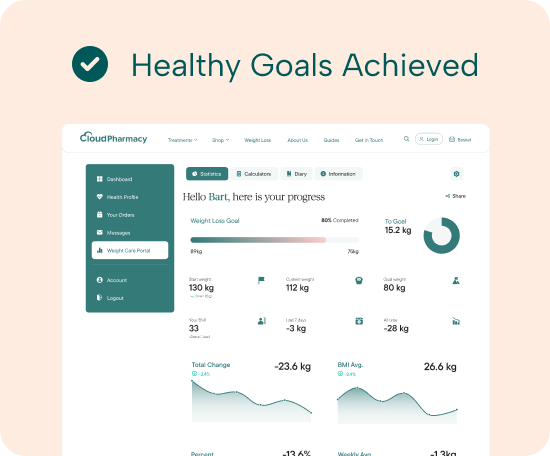
Achieve your health goals
A personalised programme designed around you to deliver tangible, lasting outcomes