Genital Warts Treatment



OverviewGenital Warts Treatment overview
Genital warts are some of the most common STIs (sexually transmitted infections) in the UK.
Geneital warts are typically caused by Human papillomavirus (HPV). Unlike other STIs, genital warts are not considered detrimental to your health.
There are over 100 strains of HPV.
Some strains can cause serious side effects, such as cancer. Other strains can cause genital warts. The more dangerous strains are widely vaccinated against.
Genital warts can cause discomfort or embarrassment in some patients. Others may not even notice that they have genital warts.
Often, you may see skin-toned bumps and other signs of infection.
Genital warts are more common in moist areas of the genitals.
Between 3% and 5% of sexually active adults have reported experiencing genital warts. This may be higher, as some people won't experience notable symptoms.
What Are Genital Warts?
Genital warts are small bumps, growths or patches of skin, caused by HPV.
They can be found anywhere on the genital area. They may also be found on the anus and tops of the thighs.
The warts may be uncomfortable, itchy or mildly painful. However, they are rarely a concern.
It is a good idea to regularly check your genitals for any changes.
This should be a simple visual check, and you can use a mirror to help you see better.
How Do You Get Genital Warts?
Genital warts can be passed on by touching the affected area.
You can be unaware you are touching an affected area if, for instance, warts are located inside the vaginal area.
You can get genital warts in the following ways:
- Sexual intercourse
- Sexual touching and skin to skin contact
- Sharing sex toys
- Oral sex
- Childbirth from a mother to their child
Genital Warts Symptoms
The symptoms of genital warts can vary from person to person.
Many people infected with HPV will not exhibit any symptoms, though they may be able to pass the infection on.
When symptoms do display, the most common ones are:
- Fleshy bumps, either single instances or as groups
- Different sized bumps, from imperceptibly small to clearly visible
- A cauliflower-like appearance
- Itchiness or discomfort
- Inflammation
- Pain, though this is rare and usually minor
For men, warts are most commonly found on the:
- Penis
- Scrotum
- Inside the urethra
- Anus
- Upper thighs
If you think you have genital warts, you should talk to your doctor or pharmacist for advice on treatment and next steps.
Genital Warts Diagnosis
Genital warts are usually diagnosed through a visual assessment by a doctor or nurse.
In minor cases of genital warts, they may use a magnifying glass to help identify the warts.
You may also be asked questions about your sexual history and any other symptoms you might be experiencing.
You must be completely honest when answering.
You should also see a doctor if a past sexual partner has reported experiencing genital warts, even if you do not have symptoms.
How Long Do Genital Warts Last?
Every case of genital warts is different.
For some patients, genital warts will go away without treatment.
Others may require medical treatment.
Genital warts can last anywhere from a few months to two years. For some, they may last even longer.
Treatment can help speed up the healing process and reduce itching and irritation.
Patients with genital warts may experience outbreaks throughout their lives. This means an effective genital wart treatment can be beneficial even if symptoms have cleared up.
Are Genital Warts Contagious?
Both genital warts and HPV, which is the most common cause of genital warts, are contagious.
Once you contract HPV, you are always infectious.
This is why it is important to get yourself tested if you suspect HPV or genital warts.
It is important to practice safe sex if you have an active case of genital warts. You should also discuss ways to safely prevent the spread of HPV and genital warts with your doctor.
Genital Warts in Pregnancy
In very rare cases, genital warts can be passed on from a mother to a baby during childbirth.
If you may have a case of genital warts while pregnant, you get tested to confirm a diagnosis.
Your doctor will be able to offer you the most appropriate genital wart treatment and give advice to reduce the risk of passing on the condition to your baby.
In some cases, genital warts may make delivery more challenging.
Your doctor will be able to assess whether this is the case for you.
If they think it might impact the safety of the birth, they may recommend treatments or a caesarean.
How to Prevent Genital Warts
Preventing genital warts can be difficult.
Sex with condoms cannot completely cover the potential spread.
If your partner has genital warts, you should use a condom and also be aware of any affected areas.
The most effective form of protection is to abstain from all sexual contact with an infected person. This is not always practical.
You can also get a vaccine that protects against many of the most serious strains of HPV.
However, this does not offer total protection.
Both men and women can get the HPV vaccine, and it is available for free from the NHS for qualifying patients up to the age of 25.
It is also offered as standard to boys and girls from the age of 12.
You can also get the HPV vaccine privately up to the age of 45.
It is best to get the vaccine before you become sexually active. This will give you the best protection against HPV and genital warts.
Treatment for Genital Warts
There are two categories of genital wart treatment, topical and surgical.
Most patients will start with topical treatments, which can help manage discomfort and reduce the appearance of warts.
Your doctor will usually prescribe the most appropriate treatment.
Surgical treatments include:
- Wart freezing
- Wart burning using electrical currents
- Surgical removal
- Injections
- Laser treatment
At Online Mens Clinic, we offer effective topical genital warts treatments including Warticon and Aldara 5% cream.
Simply complete a quick online consultation to get the right treatment for you.


How it works
Achieve your goals in just a few simple steps

Step 1
Start Free Consultation
Take the first step with a free consultation by answering a few questions to help us tailor your care.

Step 2
Review By Our Clinical Team
Based on the information you provide, our expert clinicians will develop an appropriate recommendation.

Step 3
From Prescription to Doorstep
All prescriptions undergo careful review before discreet delivery to your door
Step 4
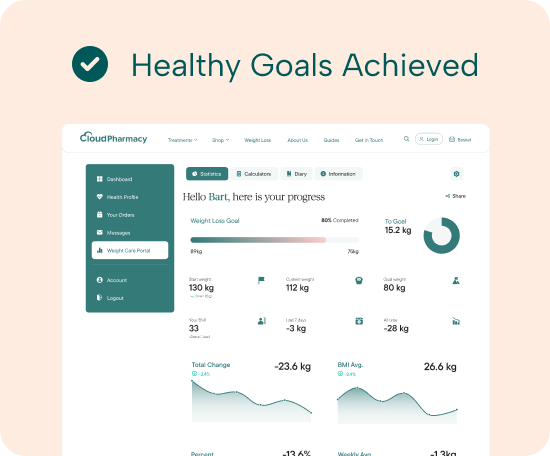
Achieve your health goals
A personalised programme designed around you to deliver tangible, lasting outcomes