Chlamydia



OverviewChlamydia overview
Chlamydia is a bacterial infection. It is transmitted through genital fluid during unprotected vaginal, oral, or anal sex.
It is one of the most common sexually transmitted infections (STIs) in the UK, and can cause serious conditions if left untreated.
This can include infertility in men.
You can order chlamydia treatment online from our UK registered pharmacy.
You can also find out more about chlamydia with this NHS guide.
What Is Chlamydia?
Chlamydia is one of the most common sexually transmitted infections (STIs), affecting almost 500,000 people in the UK in 2019.
It is also very easily spread, as many people will not experience symptoms.
Some people may not realise they have chlamydia until months after the infection.
As chlamydia is often symptomless, it is important that you get regular chlamydia tests if you are sexually active.
What Causes Chlamydia?
Chlamydia is typically passed on through unprotected sexual activity.
Sex without using a condom and unprotected oral sex are the main ways that a chlamydia infection can be transmitted.
However, penetration does not have to occur to contract it. Touching genitals together can transmit the bacteria.
Chlamydia can also be contacted if you have had the infection before and failed to treat it properly.
It is vital that you complete the chlamydia treatment cycle to ensure you are clear.
Symptoms of Chlamydia
Around 70% of men and 90% of women do not experience any symptoms of chlamydia
However, there are still many symptoms you should look out for, including:
- Pain whilst urinating
- Unusual discharge from the genitals
If you do experience symptoms, these will usually show up within one to three weeks after infection.
You should consult your doctor as soon as possible, to find out if you have chlamydia or not.
Chlamydia Symptoms in Men
Although the causes of chlamydia are the same for men and women, the symptoms can differ.
The most common symptoms in men are:
- Clear or cloudy discharge from the tip of your penis
- Painful urination
- Burning and itching around the opening of your penis
- Pain and swelling around your testicles
If Chlamydia is left untreated, it can spread to the testicles and epididymis. This can lead to inflamed testicles, which can affect fertility.
How Common Is Chlamydia?
Chlamydia is a very common STI, especially amongst younger people.
It is estimated that 1 in 20 sexually active young women aged 14-24 years has chlamydia.
Simply coming into contact with someone's genitals is enough to contract the virus. This is why it is important to regularly get tested.
The infection is also easily spread because it is symptomless in most people.
This means they may continue to be sexually active, with new sexual partners, without knowing they are spreading the infection.
Does Chlamydia Go Away?
Your body will not be able to fight off chlamydia without treatment.
The infection can be easily treated. The earlier it is treated, the fewer complications you will have in the future.
While symptoms have subsided, this does not mean the infection is gone.
However, if you follow your chlamydia treatment correctly, the infection will go away.
Long Term Effects of Chlamydia
Although chlamydia can be easy to treat, the infection can lead to long term complications.
There are cases where chlamydia has caused reactive arthritis.
This condition causes inflammatory pain in the joints, particularly in your knees, ankles, and feet.
For men, there is an increased risk of epididymitis. This can cause:
- Swelling and redness in the scrotum
- Blood in semen
- Pain in the pelvis
Chlamydia Treatment
Chlamydia can usually be effectively treated with antibiotics.
Over 95% of people are cured if they complete the course of antibiotics correctly.
The most commonly prescribed antibiotics for chlamydia are doxycycline, and azithromycin.
Here at Online Mens Clinic, we provide both doxycycline and azithromycin tablets through our online pharmacy.
You need to complete a short online consultation. This is then approved by one of our medical professionals.
Once approved, we will send the medication to you in discreet packaging.
FAQs
What is Chlamydia?
It is a sexually transmitted infection (STI) caused by Chlamydia Trachomatis which can affect men and women. It can be found in the genitals, anus, throat or eyes. It is spread through unprotected sex. Using a condom can reduce the risk of catching it.
How common is Chlamydia?
Chlamydia is the most commonly diagnosed sexually transmitted disease in the UK, with over 200,000 patients testing positive every year. Young people in the 15 - 24 age group are particularly at risk, which is why annual screening is recommended for anyone who is sexually active and under 25.
However, chlamydia affects people of all ages and a recent report by the Health Protection Agency showed that the number of people over 50 who are diagnosed with an STI like chlamydia has doubled in the past ten years.
If you have had unprotected sex with a partner who could have chlamydia you should get tested for chlamydia.
Can Chlamydia be Cured?
Chlamydia is treated with the antibiotic doxycycline. Chlamydia treatment kills the chlamydia bacteria and it is highly effective.
How long does Chlamydia take to cure?
It takes 1 full week of treatment to be effective. You should avoid any sexual contact both with or without a condom during your treatment time, as you could still be contagious.
If you are under the age of 25 a chlamydia test is recommended 3 months after you finish your treatment.
Is "The Clap" the same as Chlamydia?
No, although it is commonly thought that Chlamydia is 'The Clap', it is actually Gonorrhoea that 'The Clap' refers to. Gonorrhoea tests are also available from Online Mens Clinic.
Does Chlamydia go away by itself?
Untreated Chlamydia won’t go away by itself and can do more harm to your body. If Chlamydia is left untreated in women, it can spread to the womb and causing pelvic inflammatory disease (PID). PID is a major cause of infertility, miscarriage and ectopic pregnancy.
If Chlamydia is left untreated in men they are at risk of complications of Chlamydia such as orchitis (swollen testicles), reactive arthritis, and infertility. Chlamydia treatment is easy and the infection is curable.
Cloud Pharmacy offers a discreet home test that includes the lab costs, the urine container and the pre-paid envelope. You will receive your results by text message, normally within 72 hours of sending off your sample.
How long does it take to show symptoms of Chlamydia?
Up to 50% of men and 70% of women do not show symptoms of the infection. It can take one to three weeks for the symptoms to develop, however they can occur months later. You can have no symptoms but still carry the infection and have the ability to infect others.
How long will it take for me to get a positive test if I have caught Chlamydia?
It can take up to 2 weeks for a positive Chlamydia test to show, therefore we recommend people wait at least 10 days from their unprotected sexual encounter before testing. This will help to prevent false readings in the test results and ensure you get an accurate diagnosis.
I have taken antibiotics for Chlamydia but my symptoms have not cleared
There are many reasons why you maybe experiencing persistent symptoms. These could include:
- You have another underlying sexually transmitted infection (STI) at the same time. This will need further investigations or tests. Gonorrhoea commonly occurs in conjunction with Chlamydia.
- You have an unrelated infection e.g. a lower urinary tract infection or endometriosis.
- On rare occasions the strain of bacteria can be resistant to the antibiotics and further treatment is required.
Another chlamydia test may be required but this will have to be performed after 6 weeks. Any earlier and the test will present a positive result from the initial infection.
In the case of failed treatment or unresolved symptoms you should see your GP or visit your local GUM clinic.
Do I have to tell my partner or previous sexual partners?
It is important you tell your current partner and other sexual partners within the last 6 months if you have been tested positive for chlamydia because:
- They may not know they have an infection and can spread it to others.
- If it is left untreated it can lead to serious complications such as infertility.
- Chlamydia treatment is easy, simple and the infection is curable.
We understand that this may be a difficult conversation, however it is very important you tell your previous sexual partners if you have been diagnosed with Chlamydia to allow them to be tested and treated.
How long after taking Chlamydia treatment does it take for symptoms to clear?
Chlamydia antibiotics, Azithromycin or Doxycycline, usually clear symptoms quickly. Pain on passing urine and discharge normally clear within a week, however pelvic or testicular pain can take two weeks to pass. Menstrual irregularities should improve by the next cycle. Any symptoms that persist may be an indicator of failed treatment, if this occurs you should see your doctor or local sexual health clinic for further treatment.
Is it best for both partners to get Chlamydia treatment at the same time?
Yes, it is important to treat both sexual partners for Chlamydia if they have had sex because one partner untreated or partially treated can re-infect the other. After treatment you need to abstain from sexual activity for one week. This includes genital, oral and anal sex even with a condom.
How do I use Doxycycline for Chlamydia?
Take one Doxycycline capsule in the morning and one capsule in the evening, roughly 12 hours apart. A full course to treat Chlamydia is seven days treatment, 14 capsules in total.
Doxycycline should be taken on an empty stomach whilst sitting upright or standing. We do not recommend you take the medication directly before going to bed as it may cause irritation of the oesophagus. Ensure you drink plenty of water with each dose. Unlike other antibiotics in the tetracycline family, taking it with food does not significantly affect the absorption. If you feel nauseous or experience an upset tummy then swallow the capsules with food.
What do I do if a sexual partner tells me they have Chlamydia?
You may wish to go ahead and get Chlamydia treatment without being tested if you have had unprotected sex with someone who has Chlamydia. You can also get a Chlamydia test to see if you have a positive result. If you do get a positive result, you will need to take antibiotic treatment to cure your Chlamydia infection, this is normally very straightforward.
If you have had sex with other partners since you were infected, you need to contact them to let them know that they should take a Chlamydia test and may require treatment.
Is it safe to buy Chlamydia treatment online?
Yes, as long as you are buying from a website that is a legally operating and regulated pharmacy it is perfectly safe to buy Chlamydia antibiotic treatment online.
Online Mens Clinic is a registered pharmacy based in Scotland and has all the necessary regulation to be able to safely provide convenient access to genuine prescription antibiotics through our Online Pharmacy.
How do I buy antibiotics for Chlamydia online?
All you will need to fill in a simple health questionnaire so we can ensure that Chlamydia treatment will be safe and effective for you. It all takes less than 5 minutes and they can be delivered to your door.


How it works
Achieve your goals in just a few simple steps
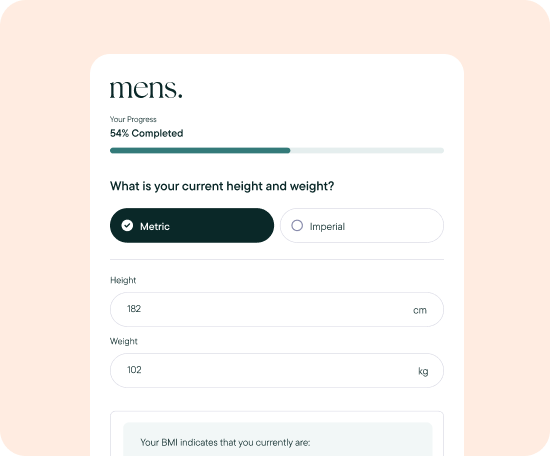
Step 1
Start Free Consultation
Take the first step with a free consultation by answering a few questions to help us tailor your care.

Step 2
Review By Our Clinical Team
Based on the information you provide, our expert clinicians will develop an appropriate recommendation.

Step 3
From Prescription to Doorstep
All prescriptions undergo careful review before discreet delivery to your door
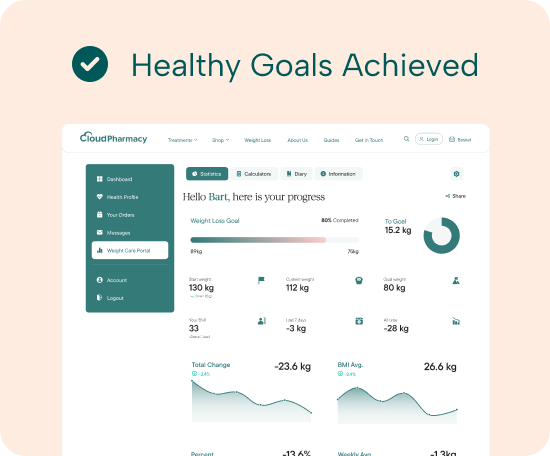
Step 4
Achieve your health goals
A personalised programme designed around you to deliver tangible, lasting outcomes