Acid Reflux



OverviewAcid Reflux overview
Acid Reflux Treatments
Acid reflux, also known as heartburn, is a common condition.
When stomach acid travels up into the chest it causes a painful burning sensation in the chest.
You can treat acid reflux online from our UK registered prescribing service.
For more information on Acid Reflux please visit the NHS guide here.
What is Acid Reflux?
Acid reflux is often known as heartburn or gastroesophageal reflux disease (GERD).
Acid reflux happens when the valve at the entrance of the stomach does not close completely.
Under normal conditions, the valve - known as the lower esophageal sphincter (LES) will close as soon as the food passes through it.
If the LES does not close properly, or if it opens frequently, the acid that is produced in the stomach can travel to the oesophagus.
This causes the burning sensation in the chest, commonly referred to as heartburn.
If acid reflux symptoms occur more than twice a week, you are likely to be diagnosed with acid reflux disease (GERD).
GERD is a version of acid reflux that can occur at least twice a week, with both moderate to severe symptoms.
For many people, GERD can be managed through a combination of lifestyle changes and over-the-counter medication.
Some people who suffer from GERD may require surgery to ease symptoms.
Acid Reflux Symptoms
The main symptoms of acid reflux include:
- Heartburn: a burning pain or major discomfort that moves from the stomach to the abdomen or chest, sometimes even up to a person’s throat
- Regurgitation: the backing up of a sour or bitter-tasting acid in the throat and mouth
Other symptoms include:
- Bloating
- Burping
- Fluctuation
- Nausea
- Hiccups
- Weight loss
- Wheezing, dry cough
- Chronic sore throat
- Dysphagia — the sensation of food being stuck in your throat and struggling to swallow
While these symptoms are generally milder, they can still cause discomfort and the severity can vary from person to person.
Acid reflux symptoms tend to be worse after eating, when lying down or bending over.
If you are struggling with acid reflux symptoms, you should first speak to your GP or pharmacist.
What causes Acid Reflux?
Many people suffer from acid reflux every day. There are a number of common triggers, but for some people, there is no known cause.
Some of the most common triggers of acid reflux include:
- Being overweight
- Smoking
- Drinking alcohol and caffeine products
- Certain foods
- Pregnancy
- Stress and anxiety
- Some medicines, such as anti-inflammatory painkillers (including ibuprofen)
- A hiatus hernia (this occurs when part of your stomach moves up into your chest)
The diaphragm helps to keep the acid in your stomach because it contains muscles that stop the food/acid from coming up your oesophagus.
If you have a hiatal hernia, acid can move up into your oesophagus, causing acid reflux symptoms.
Foods that Cause Acid Reflux
Food is one of the most common causes of acid reflux and heartburn. Certain foods can trigger the esophageal sphincter to relax. This delays the digestive process, causing food to sit in the stomach for longer.
Large, heavy meals are a common cause of acid reflux. Eating 3-4 hours before you go to bed can also cause acid reflux, as food does not have enough time to be processed in the stomach.
When you lie down, you are likely to experience acid reflux symptoms.
Foods that are known to cause acid reflux include:
- Foods with high fat, salt and spice quantities
- Fried food
- Fast food
- Processed snacks
- Chilli powder and peppers
- Fatty meats
- Daisy products
- Tomatoes and tomato-based sauces
- Citrus fruits
- Chocolate
- Peppermint
- Fizzy drinks
Reducing your intake of these types of food and drinks can help to reduce acid reflux symptoms.
You should also avoid eating just before bedtime, so food isn’t sitting in your stomach and rising through your oesophagus while you lie down.
To reduce the chances of developing acid reflux, you can eat more:
- Baked, broiled or grilled chicken breast (with the fatty skin removed)
- Lettuce, celery and sweet peppers
- Brown rice (boiled, not fried)
- Melons (including watermelon, cantaloupe and honeydew)
- Oatmeal
- Fennel
- Ginger (including ginger tea)
Eating smaller, more frequent meals rather than larger, heavier meals can also help. You should also avoid bedtime snacks.
Is Acid Reflux Dangerous?
Acid reflux itself isn’t a dangerous condition. However, if left untreated it can lead to more serious health issues. This include:
- Esophagitis
- Oesophageal ulcers
- Oesophagal stricture
- Aspiration pneumonia
- Barrett’s oesophagus
- Oesophagal cancer
Over time, chronic inflammation in your oesophagus can also lead to:
- The narrowing of the oesophagus: damage to the lower oesophagus from stomach acid can cause scar tissue to form. This can cause the food pathway to narrow, causing swallowing problems
- Precancerous changes to the oesophagus (Barrett's oesophagus): stomach acid can damage the tissue lining of the lower oesophagus
How Long Does Acid Reflux Last?
The speed symptoms develop and the time symptoms continue can vary depending on the cause of acid reflux.
Mild heartburn may occur immediately after consuming eating, and last until the food has been digested.
Heartburn symptoms can return after several hours if you are bending or lying down.
How to Get Rid of Acid Reflux
Acid reflux is most commonly treated with long-term lifestyle and diet changes.
To get rid of acid reflux symptoms, you can try:
- Avoiding food and beverages that trigger acid reflux symptoms and heartburn
- Eating smaller meals throughout the day and modifying the types of foods intaken
- Quitting or reducing smoking
- Raising your head while you sleep to between 4 and 6 inches
- Eating no later than 2 to 3 hours before bed
- Sleeping upright during daytime naps
- Wearing lighter clothes
- Taking steps to lose weight through exercise or diet changes
- Consulting your doctor about medication that may be triggering symptoms
After making these changes, you should speak to a pharmacist if you still experience symptoms. They will be able to recommend medicines to ease symptoms.
Acid Reflux Treatment Options
There are some over the counter preparations available, to treat acid reflux. These include antacids like Rennies.
Preparations that act as rafting agents by coating the stomach and oesophagus to help protect them from the stomach acid are also available.
Prescription medications include Omeprazole and Lansoprazole. These work by decreasing the amount of acid produced in the stomach.
It does this by blocking a system in the cells of your stomach called the proton pump
You can also be prescribed:
- Foaming agents, which coat your stomach to prevent reflux
- H2 blockers, to decrease acid production in your stomach
- Proton pump inhibitors to reduce the volume of acid your stomach makes
- Prokinetics, which can help empty your stomach faster and reduce acid reflux
You should be careful not to combine more than one type of antacid medication with another form of prescription medication without your doctor’s guidance.
In most cases, lifestyle changes and medications can reduce and control acid reflux symptoms.
Is Acid Reflux Ever Treated With Surgery?
If medication and lifestyle changes don’t resolve your symptoms and they are adversely affecting your life, your doctor may recommend surgery.
There are two types of surgery used to relieve the symptoms of acid reflux/GERD.
One procedure involves the surgical placing of a ring (known as a LINX device) around the outside of the lower end of a person’s oesophagus.
The ring consists of magnetic titanium beads held together by titanium wires that wrap around the tube connecting the mouth to the stomach.
This device prevents stomach contents from backing up into the oesophagus, limiting the impact of acid reflux.
However, this procedure should be avoided by anyone allergic to certain metals and patients should not take any type of MRI test afterwards.
The other option is fundoplication.
This involves wrapping the upper part of the stomach around the LES to strengthen it, prevent acid reflux, and repair a hiatal hernia.
The procedure is performed through one of two options, either an open incision in the abdomen or chest or through a keyhole incision in the abdomen.
Surgical treatment is generally seen as a last resort to treat acid reflux. Dietary, lifestyle and medical solutions should be followed first.
FAQs
What is Acid Reflux?
It is the movement of the stomach contents up the oesophagus or gullet. Often causing an uncomfortable or burning sensation behind the breastbone.
In more serious or left untreated, Stomach contents can be regurgitated into the mouth affecting the teeth, gums and causing bad breath.
Sometimes the regurgitated fluid can enter the airways and exacerbate or make asthma worse.
What causes Acid Reflux?
The stomach has a small circular piece of muscle at the top, called the cardiac or lower oesophageal sphincter.
This stops the stomach contents from travelling back up the oesophagus or gullet.
When this muscle becomes weakened, the stomach contents can travel up and cause symptoms like heartburn, bad breath and the feeling of being sick.
Is Acid Reflux common?
It is very common and 60% of people will have reflux or similar symptoms in a 12-month period.
In the same period, 20-30% of people will have symptoms on a weekly basis.
What are the symptoms of Acid Reflux?
The movement of acid can give the following symptoms
- Burning feeling behind the breastbone
- Feeling sick
- Being sick
- Bad breath
- Tooth and gum problems
- Worsening of asthma
What can make Acid Reflux worse?
The following can make acid reflux worse.
- Being overweight or obese
- Smoking
- Eating spicy food,
- Large meal sizes
- Late night Eating, within 2 hours of going to sleep
- Alcohol
- Coffee
- Chocolate
- Pregnancy
- Tight Clothing
- Certain medicines for blood pressure like Calcium channel blockers, medicines for angina like glyceryl trinitrate and painkillers like ibuprofen, diclofenac and other anti-inflammatory drugs.
- Stress
- Genetics
How do I choose the correct treatment for Acid Reflux?
There are different categories of treatment and their uses and explanations are listed below.
Generally, patients should start with antacids and then make their way down the list if treatment does not control their symptoms.
1. Antacids – the first line treatment. These help neutralise stomach acid to relieve symptoms. The effects usually last for 2-3 hours. Examples of antacids include Rennie, Enos, Andrews Salts, and Tums. They contain ingredients like calcium carbonate, which neutralizes stomach acid, but too much calcium taken regularly can make acid reflux worse. Only be for occasional or infrequent use.
2. Alginates – neutralize and form a layer on the top of stomach acid, which prevents upward movement. Are available in tablet and liquid forms. Liquids act quicker but are more inconvenient to carry around. Usually, these last no more than 3-4 hours.
Alginates are made up of calcium carbonate, magnesium carbonate or aluminum salts. Too much calcium taken frequently can cause stomach acid to worsen, so should only be used infrequently. Excessive magnesium salts can cause diarrhoea and too much aluminum salts can cause constipation.
Always check with pharmacist, as alginates can interact with other medication. Examples include Gaviscon, Gaviscon Advance, and Peptac.
3. H2 Receptor Antagonists – available as tablets. They reduce the production of stomach acid and were initially introduced on prescription, before being available to buy from pharmacies. They start to work in as little as 30 minutes and their effects can last for up to 12 hours. They are well tolerated and side effects are rare. They can include diarrhoea, tiredness, rashes, and constipation. Examples include Ranitidine, Zantac, Gavilast, Cimetidine, and Pepcid AC.
4. Proton Pump Inhibitors – or PPIs for short, are the latest medicine for controlling acid reflux and other stomach symptoms. They work by reducing the stomach acid, but are more effective and last longer. Effects can be seen up to 17 hours after the dose is taken. They come in tablet or capsule forms, be should be swallowed whole (Losec Tablets can be crushed if needed). PPIs are very well tolerated, with low incidence of side effects. Usually, unwanted effects include diarrhoea, constipation, drowsiness. Examples include Omeprazole, Lansoprazole, Losec and Esomeprazole.


How it works
Achieve your goals in just a few simple steps

Step 1
Start Free Consultation
Take the first step with a free consultation by answering a few questions to help us tailor your care.

Step 2
Review By Our Clinical Team
Based on the information you provide, our expert clinicians will develop an appropriate recommendation.

Step 3
From Prescription to Doorstep
All prescriptions undergo careful review before discreet delivery to your door
Step 4
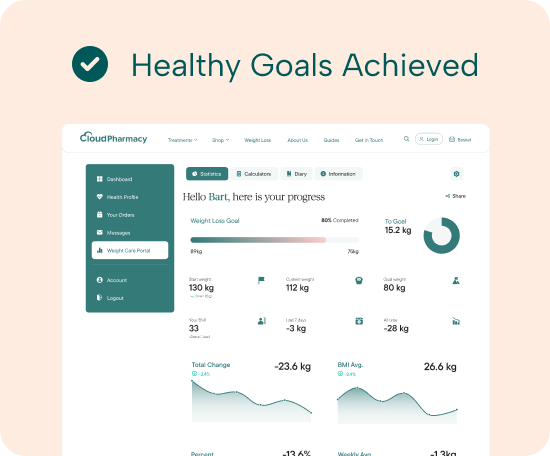
Achieve your health goals
A personalised programme designed around you to deliver tangible, lasting outcomes